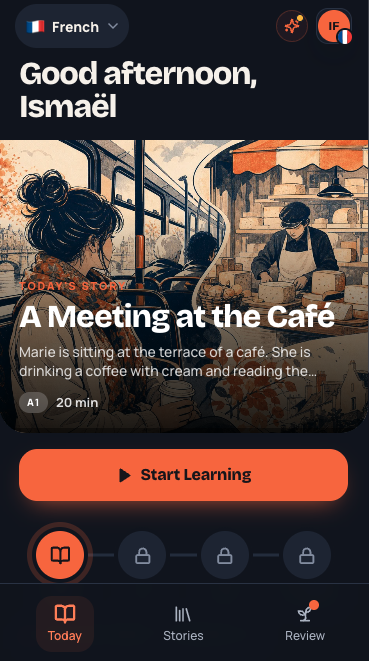
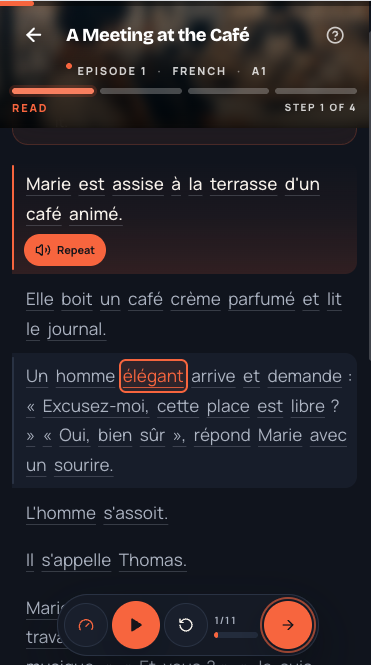
| MeloLingua | One guided read–listen–speak story session | Curated, level-matched story sessions from A1 to B2. | Tap-to-translate words and phrases without leaving the story. | Shadow-and-speak practice, phrase building, and comprehension quizzes. | It has a smaller curated library than LingQ, less explicit grammar sequencing than Babbel, and no public native iOS app yet. |
|---|
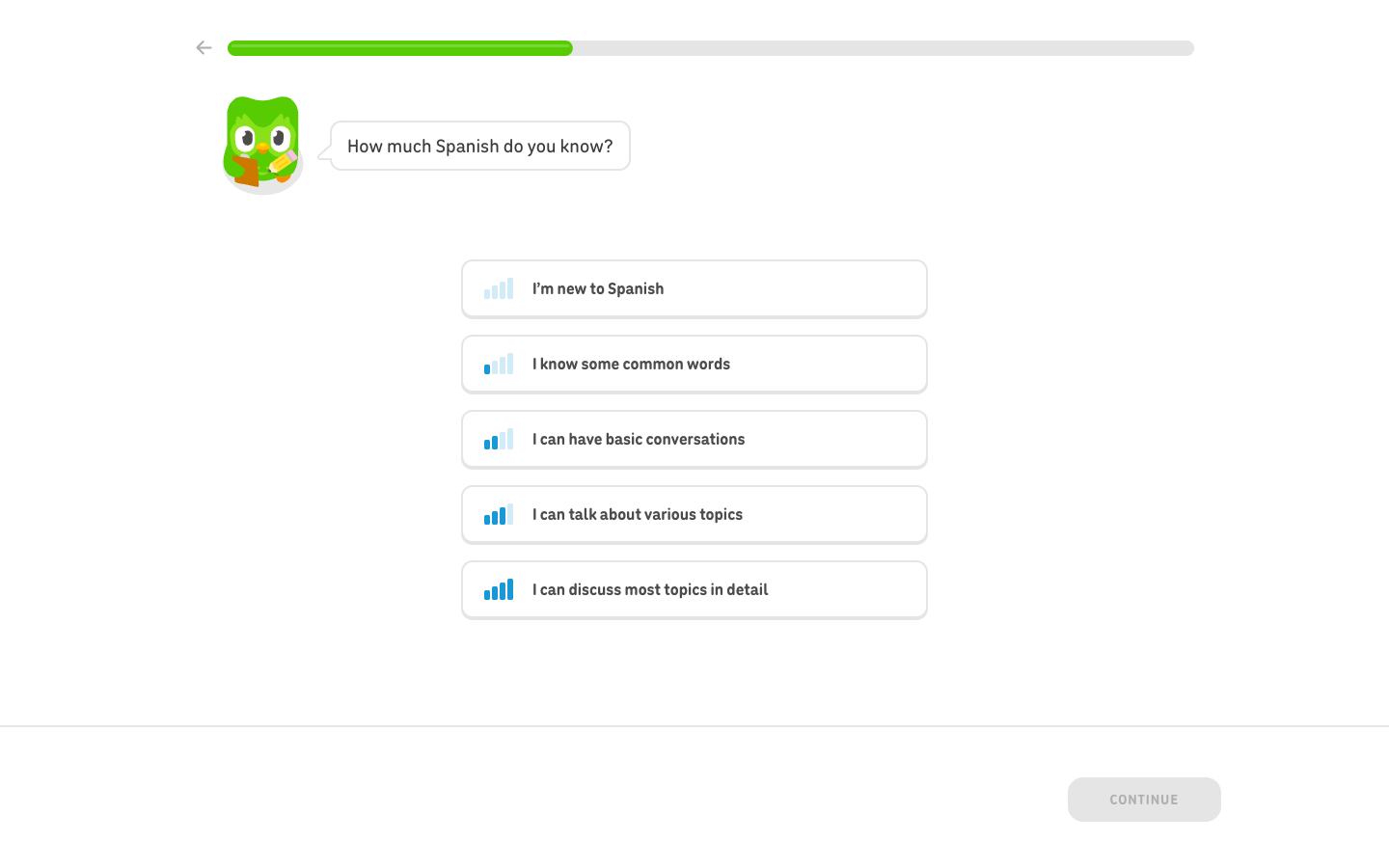
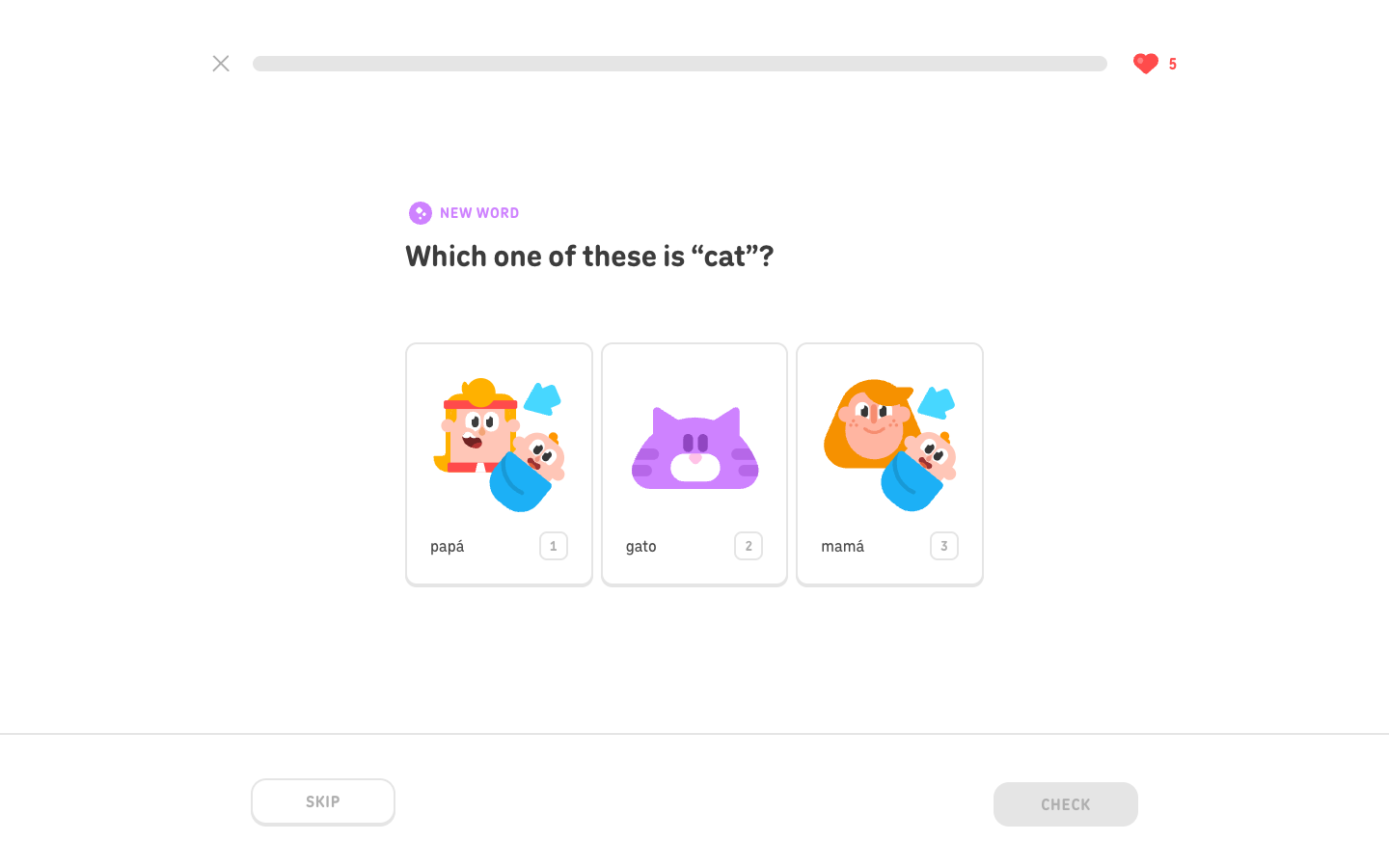
| Duolingo | A free, highly structured daily habit | Short gamified exercises; narrative content is not the public entry point. | Inline hints and repeated recall inside short tasks. | Typing, selection, listening, and some speaking exercises. | Learners specifically seeking sustained reading have to move through a broader lesson path rather than choosing a story-led session immediately. |
|---|
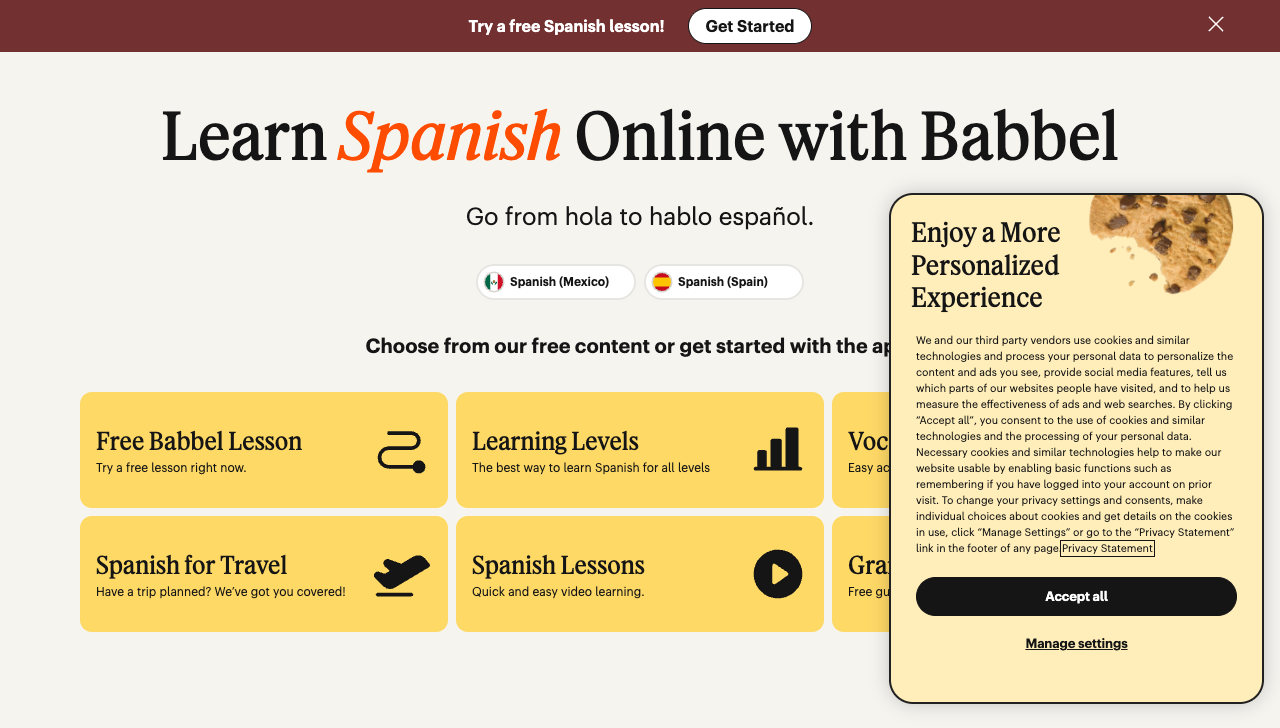
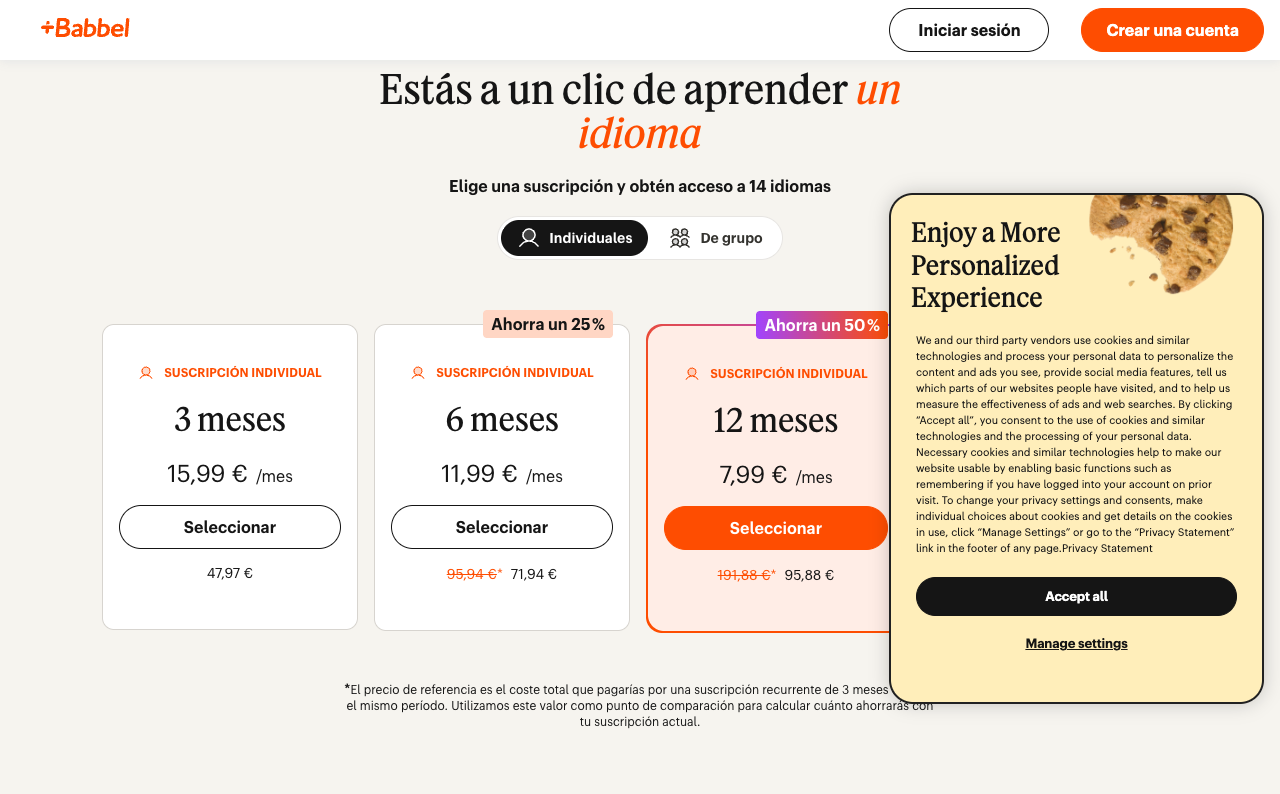
| Babbel | A conventional course with dialogues and grammar support | Structured courses and dialogues rather than an open story library. | Translations and explanations are embedded in lessons. | Review, speaking, and dialogue-oriented exercises. | It is subscription-led and less suitable if your primary goal is browsing a large collection of standalone graded stories. |
|---|
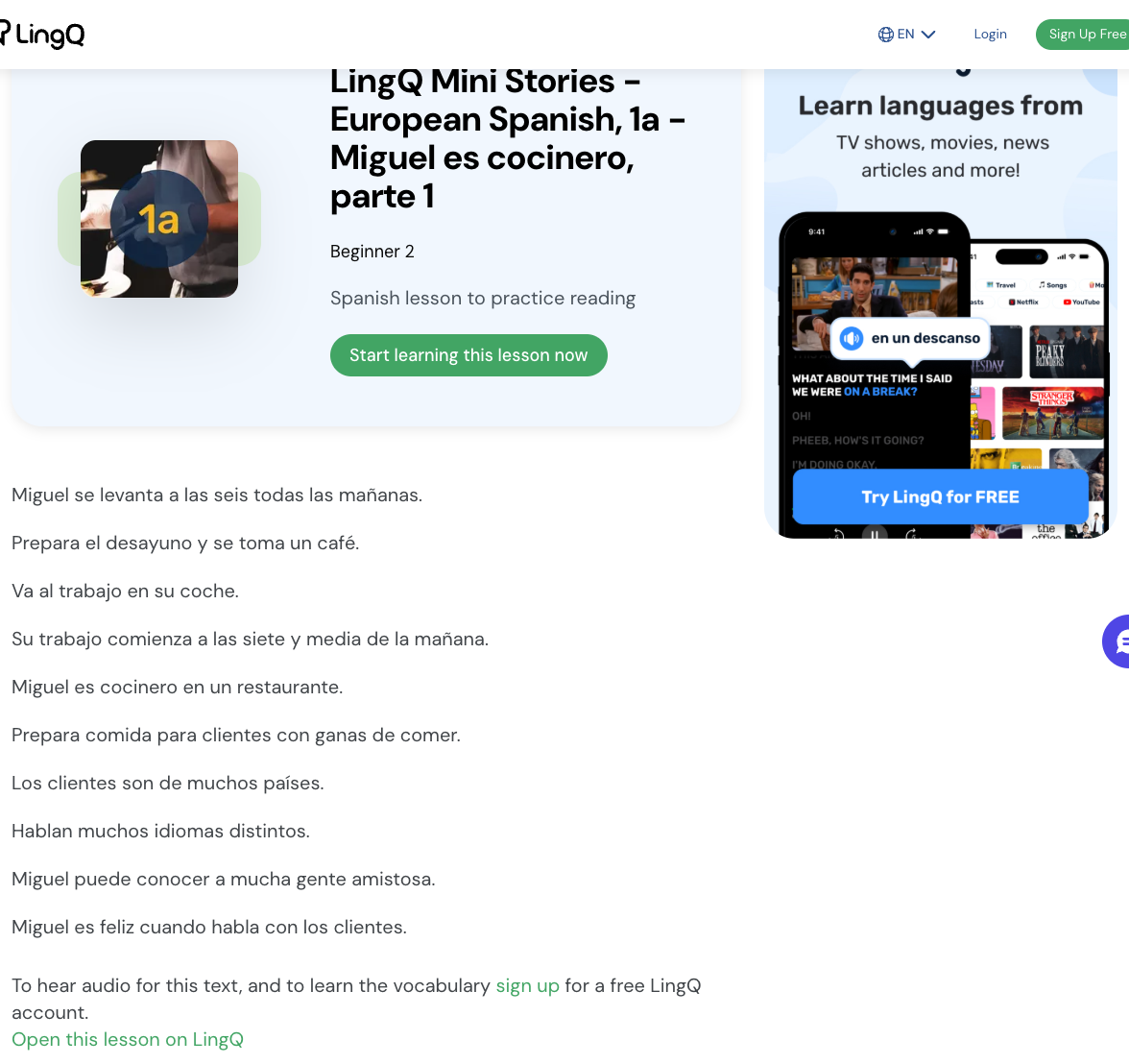
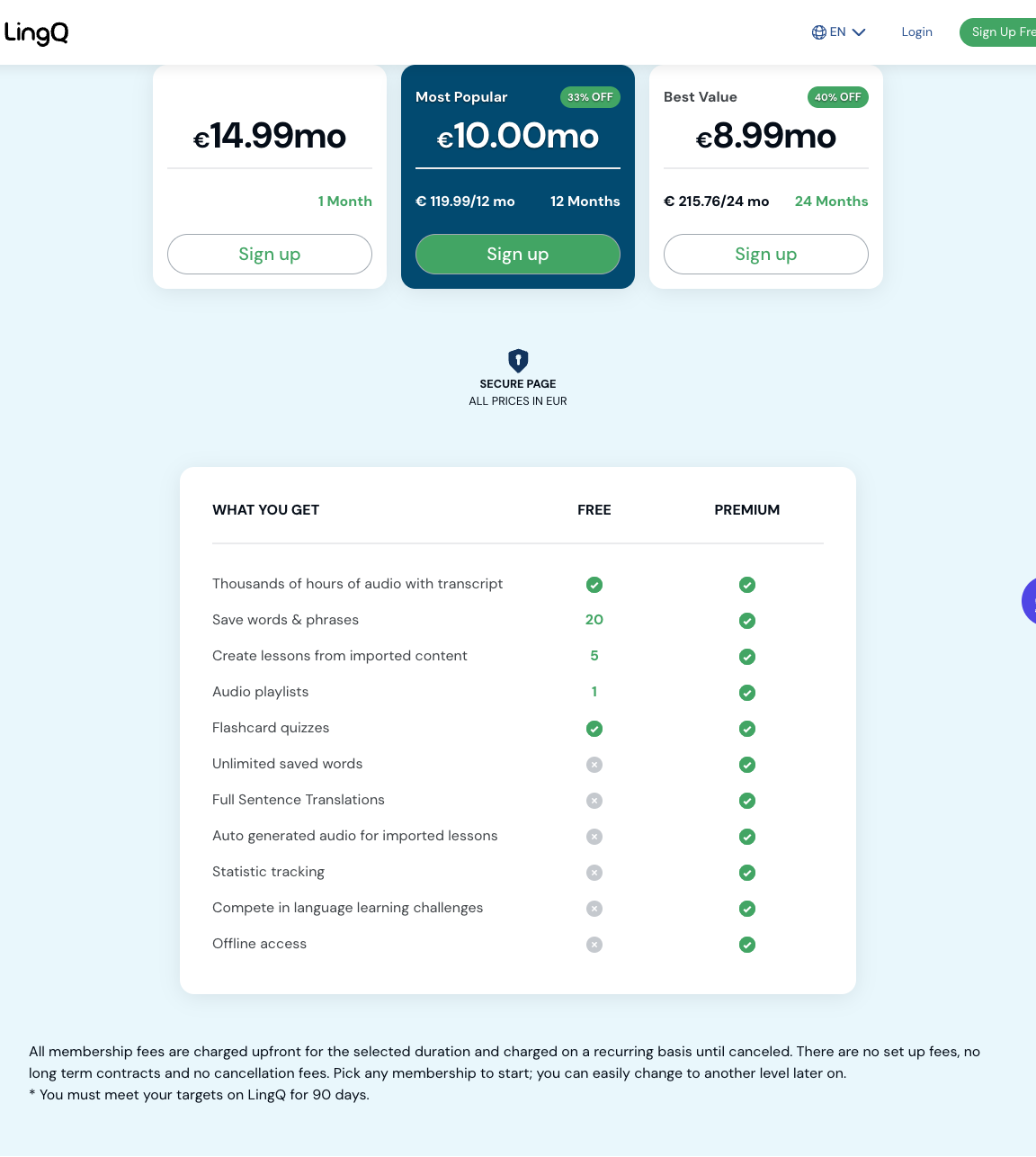
| LingQ | A large reading library and importing your own material | Large content library plus user imports and word tracking. | Click-to-define tools and known-word tracking after sign-up. | Primarily input-led; speaking is less central than reading and listening. | The open-ended library requires more learner judgment, and audio quality or provenance varies by course. |
|---|
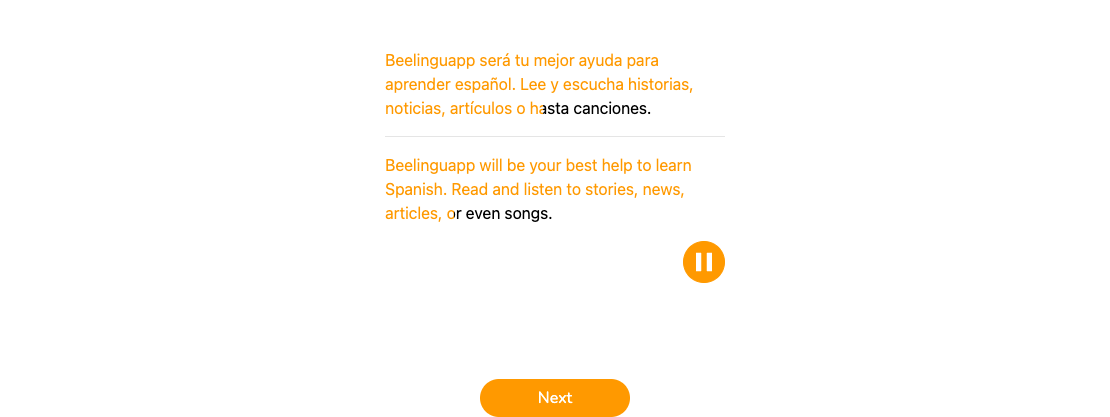
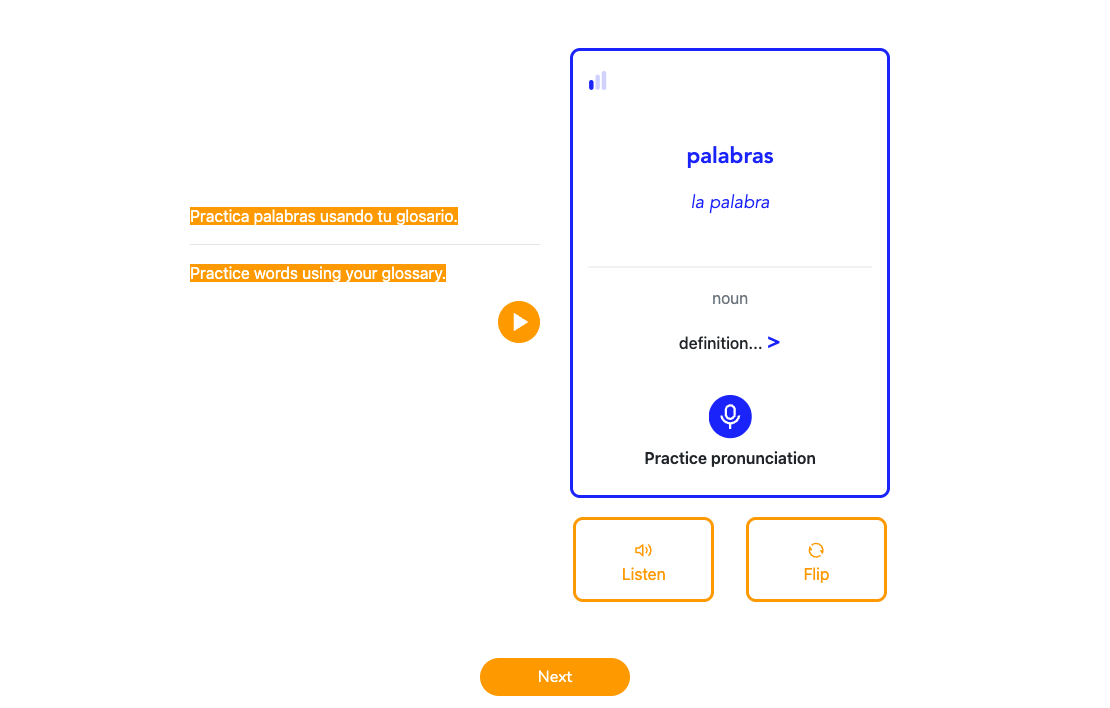
| Beelinguapp | Side-by-side bilingual reading and read-along audio | Parallel bilingual stories, news, and other reading material. | Glossary, flashcards, and side-by-side translation. | Pronunciation prompts appear during sign-up, but reading and listening remain the core. | Parallel translation can make it easy to keep reading English, and the public web flow does not reveal the full free catalog before you hand over sign-up details. |
|---|